
Hey all!
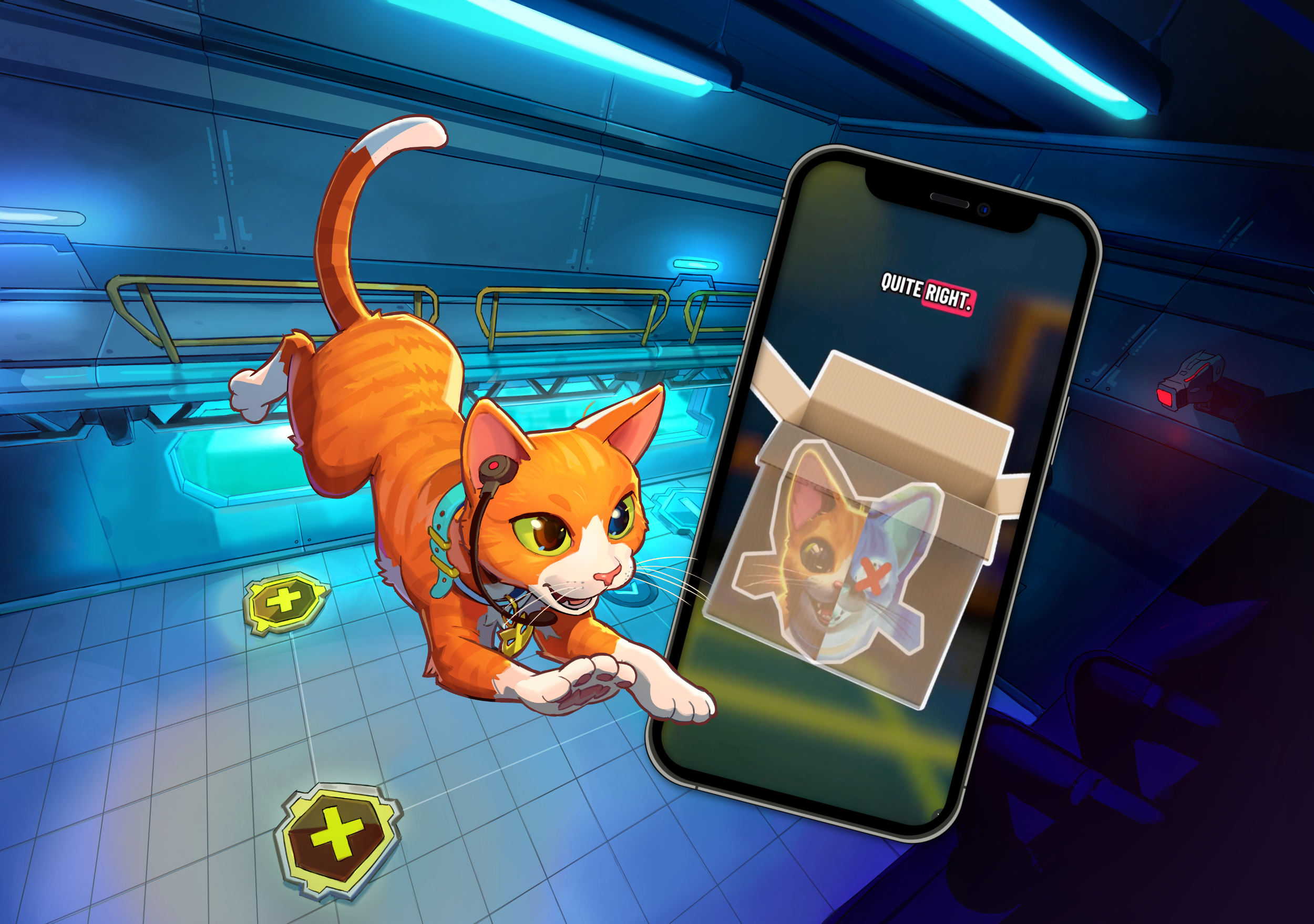
We’ve seen some previous success with our short form content, but recently a video we created for Schrodinger's Cat Burglar, developed by our client Abandoned Sheep, blew our previous wins out of the water, going viral on Instagram, TikTok and Shorts simultaneously. It was a huge moment, initially reaching over 1 million views on Instagram and 265k views on TikTok, and setting the precedent for a slew of great-performing posts which have now driven tens of thousands of wishlists for the game.
So how did we do it, and how can you replicate these tricks?
In this article, we'll break down what made our social video perform so well. Of course, going viral is never a guarantee, but we follow a very scientific approach to content creation, constantly learning and testing until we find what resonates with our audience — and you can too. This analysis gives you actionable insights for creating effective short-form video content to promote your video game. Let’s get to it!
Understanding The Goal
Every piece of content needs a clear goal. For our video, that goal was straightforward, to explain what Schrodinger's Cat Burglar is at its core; a puzzle game where you control two cats simultaneously, using the idea of quantum physics to solve challenges.
Before this, our videos for the game were already getting strong numbers. However, our in-house content creator, Mathew, spotted something missing: a focus on the core gameplay. The videos showed interesting things you can do in the game, but didn't exactly give viewers the full picture. We saw the opportunity to create a video that would help new audiences understand the game's unique concept immediately, without needing to dig through our profile or piece together information from multiple posts.
Quantum physics is notoriously difficult to explain, let alone in a short video. Since the game's core mechanics revolve around these ideas, we knew we had to nail the explanation without overwhelming viewers. The challenge was real: how do we keep it accurate enough to make sense, short enough to hold attention, and clear enough for someone scrolling through their feed? In the end, we committed to the idea and focused on making sure the core gameplay was crystal clear, and left the rest to our audience.
If your game has a complex or unique mechanic, don't assume people will figure it out from gameplay clips alone. Create explainer videos that focus on your game’s core concept. It could be the difference between someone scrolling past or actually understanding why your game is worth their attention!
Creating Your Video
While creating videos might seem straightforward, there are actually several key elements to consider when making effective short-form content:
Pacing and Structure
Mathew follows a simple motto: let the video be as long as it needs to be, but as short as it can be. If your social media video needs to be 30 seconds, make those 30 seconds count by packing in all the information you want to share. If it's a full minute, make sure every sentence pushes the video forward and serves a purpose. You could always draft a longer script first, then cut it down during the recording and editing phases if needed!
For our video, we front-loaded it with gameplay footage. This is crucial: when someone sees your content in their feed, they need to immediately understand what they're looking at. Beyond having a strong hook (more on this later), you need to show your game. Don't bury it behind text overlays or long intros. Instead, lead with gameplay.
Using Hooks To Grab Social Media Attention
In most cases, you'll need a hook to open your videos. It doesn't have to be complicated; something as simple as "We're making a game called X, where you do Y and Z!" works perfectly, as long as you use it consistently as your opening!
But a hook isn't just the first sentence; it's also visual. If your game has a unique art style, that can serve as a hook to stop people from swiping away. Adding text on screen is another effective technique. It takes time to read, which naturally captures attention and encourages viewers to stick around for a few extra seconds, boosting your retention rate. Yes, adding subtitles or on-screen text takes extra time and effort, but those few extra seconds of retention are absolutely worth it.
For our video, we leaned into the existing conflict in the game's concept: the paradox of quantum physics. Paradoxes are compelling by nature because they present something that doesn't make sense, but should. When writing your script, use words that suggest action and conflict to keep viewers engaged. The hook should always people curious about what happens next. TikTok content is storytelling in its purest form. Create thesis and antithesis, present challenge, demonstrate the stakes and reach catharsis in time for a call to action.
One technique Mathew likes to use is incorporating "but" statements into the script. This naturally creates tension: the two phrases work against each other rather than simply building on each other like "and" does. For example, "You play as a cat trying to escape a facility, but there's a twist: you're actually controlling two cats at once” is far more intriguing than "You play as a cat escaping a facility, and you solve puzzles." The first version creates curiosity and conflict, while the second just lists features.
Working With the Algorithm
Every platform has its own algorithm, and honestly, nobody knows exactly how they work. Some platforms even change their algorithms every few weeks, forcing you to readjust your strategy. But there are principles that hold across the board: platforms want people to watch, not swipe away. Your swipe-away rate matters more than you might think because it signals whether your content is holding attention.
This is where everything we've discussed comes together. Strong hooks, both visual and verbal, keep people from scrolling past. Text on screen buys you a few extra seconds. A clear, engaging script keeps them watching. But there's one more trick: add what Mathew calls "sugar" to your videos. These are small, interesting details about your game that don't necessarily have substance on their own but work as engagement bait. A cool animation, an unexpected interaction, a quirky detail… You can sprinkle these throughout to maintain interest without cluttering your core message!
Final Takeaways
If you're just starting out with short-form video content, here's what matters most: make sure you're clearly explaining what your game is. Your footage should show exactly what players will do in your game. Sometimes this means tweaking the UI or camera angle to make the action crystal clear. Don't rely on "sugar" alone. While those cool little details are great for keeping people engaged, they can't carry your entire content strategy. When you're just starting out, focus on showcasing your game authentically. You need to introduce your game to the algorithm first, then to your audience.
You might hear this often, but it's important to stay curious and keep experimenting. Not every video will perform well, and that's okay! Analyze both your own and your competitors' successful and unsuccessful videos to understand what resonates with your audience. Think about the types of topics you want to base your videos around, and don't be afraid to repeat what works. If an explanatory video does well, make another one. Remember: for most viewers, each video is their first time seeing your content, so don't hesitate to repeat formats and themes that have proven successful!
Above all, have fun with it. The learning process is part of the journey, and the more you create, the better you'll get at understanding what works for your specific game and audience.😉
Thanks for reading! We hope this article provided valuable insights and actionable tips for your videos. If you have questions or want to discuss how to improve your social media presence, feel free to book a call with us. We’re happy to talk strategies and ideas. Good luck with your content!